
4. Diagnosis Missed Opportunities: Why Expertise Matters
- Sarah Hawkins
- 7 days ago
- 4 min read


Following on from my previous post regarding the clinical chaos in Deqa’s medical records, I want to dive deeper into specific clinical failures that act as the foundation for this entire case. It is a failure of identification and a failure of response.
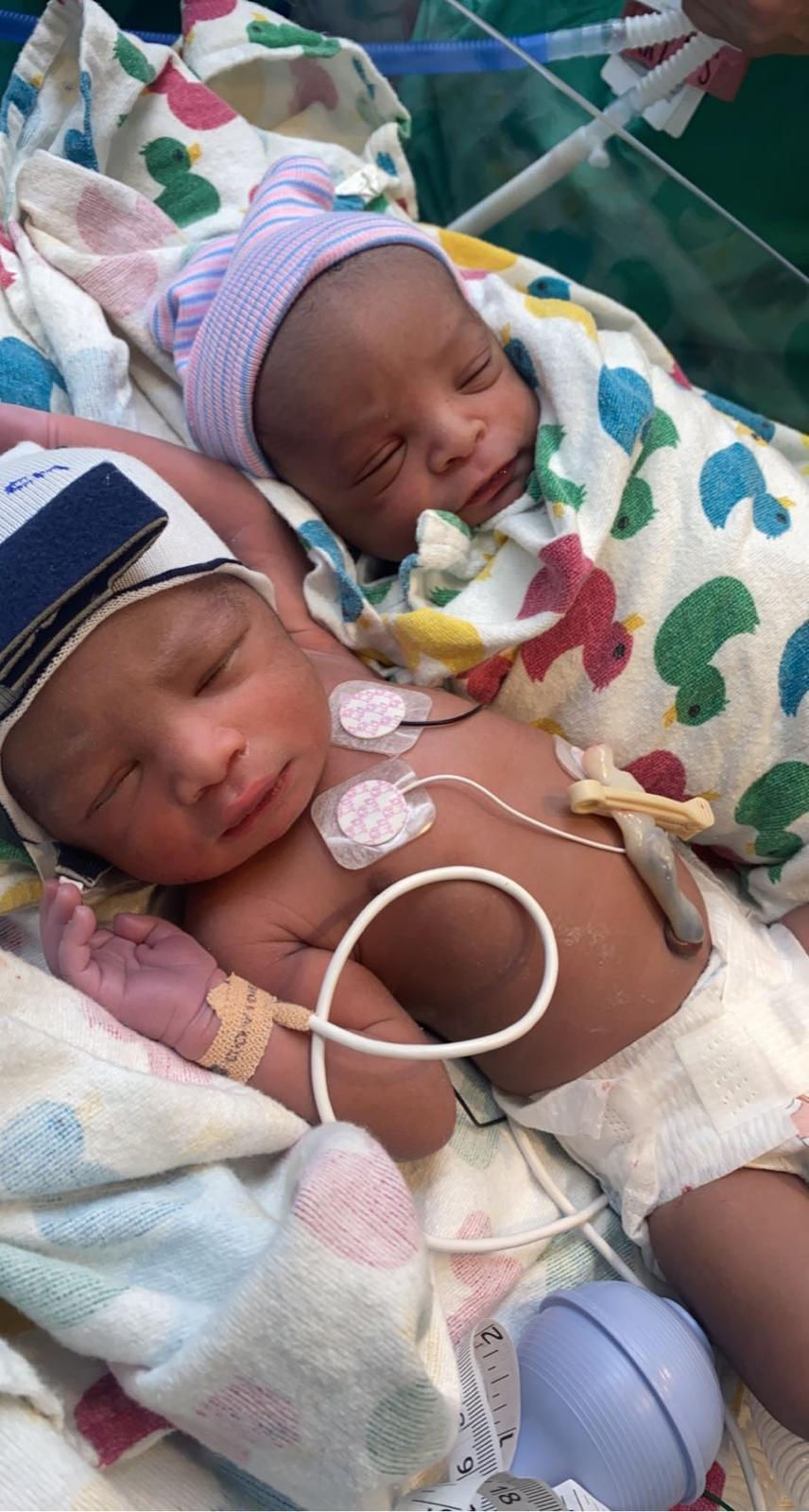
If you’ve followed my work, you know I don’t mince words when it comes to the often exploitative fascination with twins, which stands in stark contrast to the systemic lack of specialised clinical knowledge at the bedside. I’ve spent 11 years of my life and career (which aligns with the exact age of my own twin daughters) advocating for multiples because I see dehumanisation, misunderstandings, unfair treatment and the capitalisation of twin research; a world where in pregnancy the right to a future life and the dreams of a healthy family are often overlooked and undermined.
Experts in these high-risk pregnancies are few and far between. This allows inexperienced clinicians to simply "do their best" while a few advantageous academics research away from the bedside, detached from the meaningful human relationships at stake. They pursue professional recognition and prestige, often forgetting the real people behind the data points in their pursuit.
I recently revisited conversations I had with the legendary Professor Kypros Nicolaides. For those who aren't familiar, Kypros is a pioneer of fetal medicine. A man who has delivered the findings of his large body of research directly to provide care to babies in utero, by the mothers side. With the same hand carrying out treatments providing a supportive compassionate guide to her during these moments of fear and unknowing.
Having worked with women whose twin pregnancies were dangerously misdiagnosed, I asked him how easy it is for this to happen. He makes a point that is as simple as it is devastating: “You can misdiagnose anything in life if you don't know what to look for.” He compares it to crossing the road: “If you don't look left and right for cars, you’re dead.” In the world of twins, the "car" you must avoid is a failure to identify chorionicity, whether there are two babies with their own placentas or if they share one.
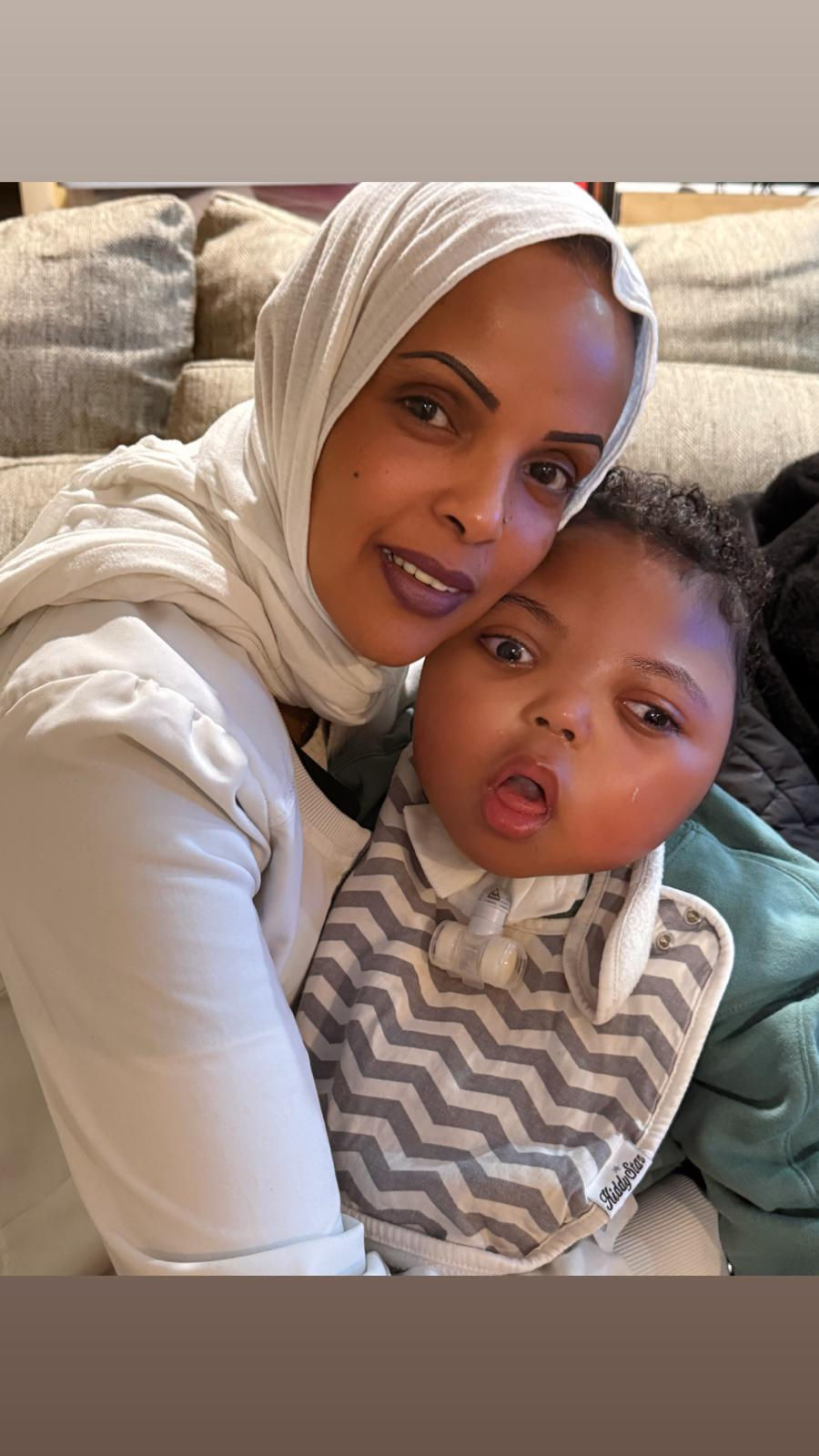
As previously stated, the clinical records for Deqa’s pregnancy are the epitome of chaos. Early on, she was told she was carrying identical twins. Given Mahad’s catastrophic brain injury has left him very much un-identical to his brother, my question was: ‘How did they know?’ There are only two ways in pregnancy to know this: an ultrasound by someone who knows what to look for, or a blood test.
The current notes pivot from this, claiming the pregnancy was dichorionic (two placentas). However, a 200-page medical document I reviewed contains a report from a pathologist—the person whose entire job is to find the ground truth, describing a single placenta with a membrane and two cord insertion points. While some might argue these were two fused placentas, however the clinical outcome leads myself and others including a clinician I am working with to believe that is likely not the case.
Why does this matter? Because a monochorionic pregnancy (shared placenta) is one of the most high-risk environments a baby can inhabit. As Prof Kypros explains, in these cases, there “is a one-in-six chance that something will go wrong.” It requires "damn sure" monitoring at every single appointment to ensure the babies aren't suffering from medical complications like an imbalance in blood flow, where one baby gets too little and the other too much.
In my last update, I mentioned "Brain Sparing" and the signs of distress Mahad was showing. They did not look for it. We now know that an ultrasound performed just a week or two before birth showed:
Abnormal blood flow through the umbilical cord.
Size discordance between the twins.
Polyhydramnios (excessive amniotic fluid).
These aren't just "notes"; they are a biological scream for help. Professor Nicolaides is clear: you cannot abandon a patient to "the lap of the Gods" when these red flags appear.
Instead, Deqa was sent home and developed chorioamnionitis, an infection of the fetal tissue itself. This means Mahad was not only struggling for oxygen but was also dealing with systemic inflammation before he even took his first breath. When she complained of pain, she was told it was "just part of having twins."
No. It was the sound of a pregnancy failing.
There is still more to share, but even with just these clinical features, the "iatrogenic jar of marbles" is filling up significantly. We are looking at a situation where the system failed to recognise the high-risk nature of this pregnancy and then, when the inevitable complications arose, looked for someone to blame rather than looking in the mirror.
It is evident and pervasive throughout that this family is not just fighting a custody battle; they are fighting a system that failed to read its own red flags. Justice for Mahad means acknowledging the medical reality of his entrance into the world. I’ve seen the evidence, and I’m not stopping until the right people see it too.
We need good people to continue to help us bring Mahad home. The days of this family being abused while in a position of objective vulnerability are over. In their place, we demand a life filled with love and connection, surrounded by people who deeply want to foster that for them.
Comments