
3. Mahad: Medical Failure & Allegations of Harm.
- Sarah Hawkins
- May 5
- 5 min read

Updated: 7 days ago
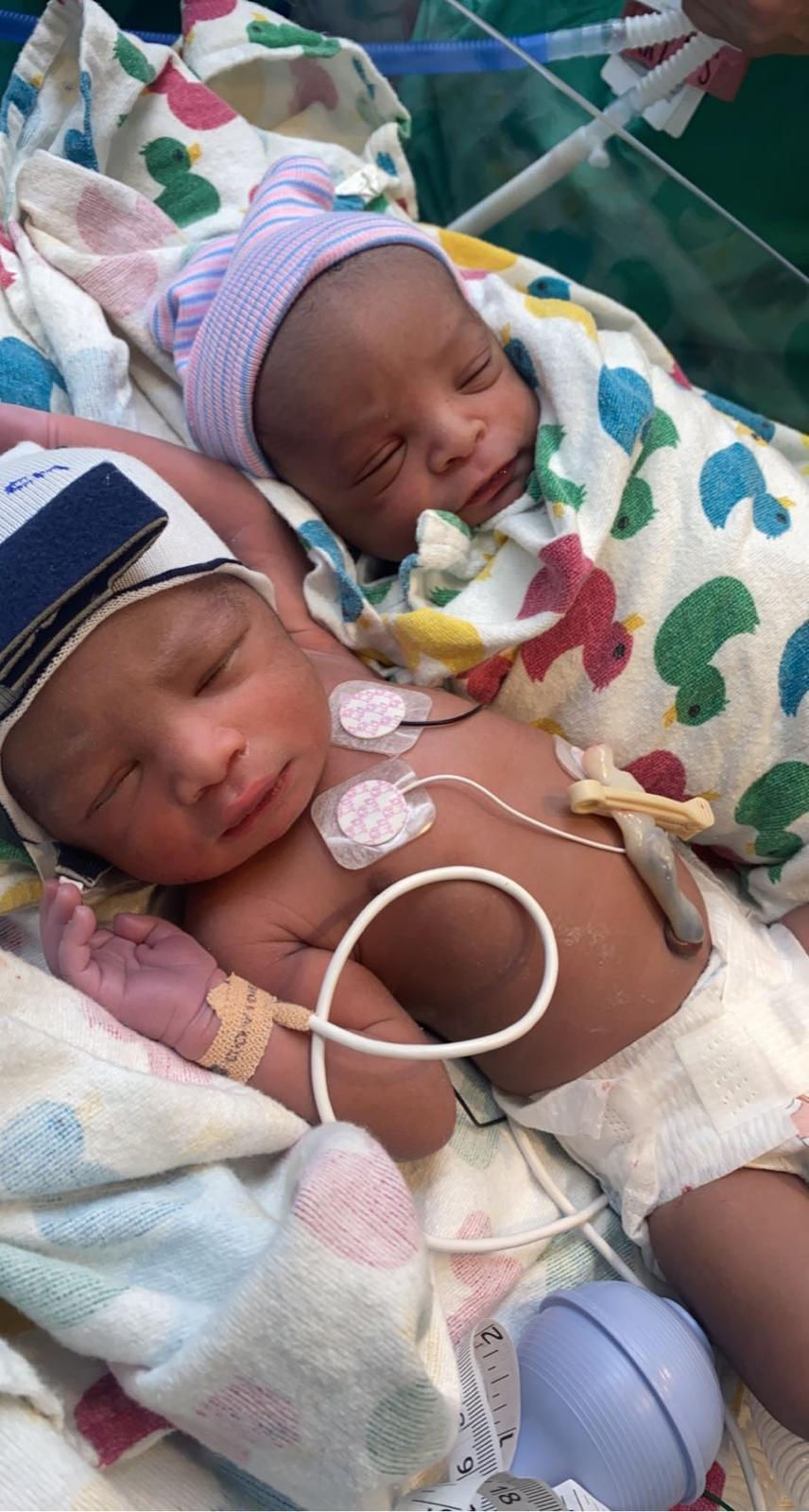
I am providing an update regarding Mahad and his family by sharing some of what I have uncovered in my initial review of his and his mother’s medical notes.
For those who don’t know my background, I am a twin mother who has spent much of my career supporting families of multiples through the maternity and neonatal journey. I will be the first to admit I can be a bit arrogant about this, but it is only because I see how much vital knowledge is currently lacking in the system. I am further qualified by my work experience alongside highly credible experts and by publishing articles and papers on this specific subject.
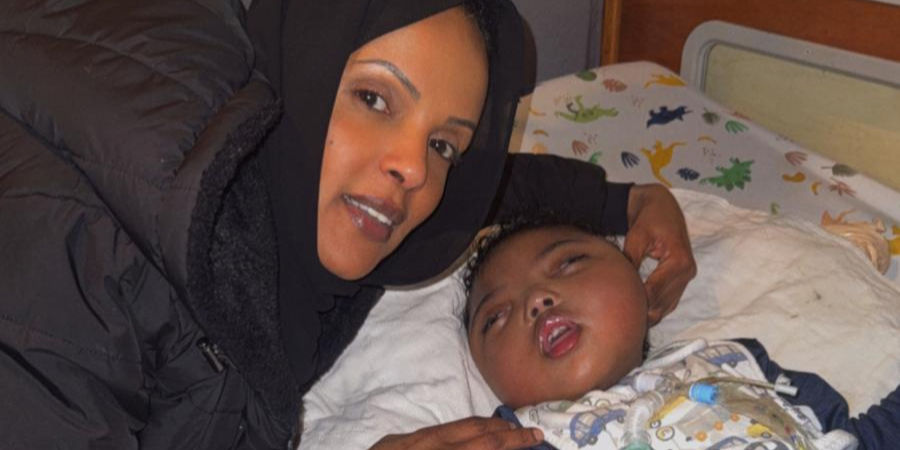
Deqa and her family are currently fighting a custody battle to bring Mahad home. He is four years old now and is incredibly unwell. He is not the child he was born to be, and the reason why is where the story takes a turn.
Mahad’s father was accused of harming him, but after reviewing the clinical records, I do not believe you can confidently lay that blame at his door. The notes reveal a catastrophic series of issues during pregnancy and birth that could easily explain the injuries Mahad sustained.
Twin pregnancies are not for the faint of heart. In Mahad's case, his mother had a history of pre-term births and was actually in labour for several days prior to his emergency Caesarean. An ultrasound showed increased blood flow through the umbilical cord, a clear sign of potential hypoxia (oxygen deprivation) and anaemia.
I want to introduce the concept of what is known as “Brain Sparing". In a high-risk pregnancy, such as a multiple pregnancy, any knowledgeable clinician must closely monitor blood flow to the brain and heart, especially when increased blood flow is seen in the umbilical cord. Why? Because babies are remarkably resilient in the womb; when they sense a lack of oxygen or nutrients, they trigger a survival mechanism. They begin to divert blood flow away from non-essential areas and toward the most critical organs for immediate survival. This is a brilliant biological "triage" system, but it comes at a cost: the baby is prioritising staying alive in the moment over their future quality of life.
Additionally, twin pregnancies possess what I refer to as and consider an “evolutionary hack." Research shows that some cells within the fetal tissue in twins actually matures approximately two weeks ahead of singletons. This advanced cellular maturity is seen in among other places the lungs and is a perfect design for survival, preparing twins for an earlier birth.
However, this very maturity is also seen in the placenta and may have been the catalyst for the increased blood flow seen on the Doppler scans. One of the primary functions of these cellular changes is preparing the entire pregnancy for birth. When this process begins, the placenta (the baby’s temporary life-support organ) starts to "wind down" its provision of nutrients. This slowing down is known as “placental insufficiency” and should serve as a warning to be acted upon with haste. When the placenta begins to struggle, Doppler readings reflect increased resistance, signalling that the environment is becoming unsafe.
This is a crucial part of Deqa and her twins' perinatal story. When we consider Mahad’s current clinical condition, we cannot discount the fact that his body was likely already signalling a state of distress long before the physical trauma of the birth took place.
The decision by the hospital to wait when Mahad was already viable at 34+ weeks (in many ways at the physical maturity of a 36+ week singleton) did not just delay his arrival; it fundamentally changed the physics of his birth. By the time they opted for a Caesarean, the situation had shifted from a controlled procedure to a high-risk rescue. This is what is known as an "intrapartum Caesarean", and the logistical difference between this and a planned surgery is huge. In a straightforward, pre-labour Caesarean, the baby is positioned high in the uterus and can be lifted out gently. Once labour begins, the body is actively working against that exit strategy, using powerful contractions to drive the baby down and lock them into the birth canal.
This creates a mechanical resistance. To deliver a baby abdominally during active labour, a surgeon must reach deep into the pelvis to dislodge a head, lower limbs or buttocks, that is already being tightly held in place by the mother's muscles. While a vaginal birth allows the body to naturally open, a surgical extraction from this position requires the surgeon to expertly manoeuvre the infant upward. This puts immense pressure on the most vulnerable parts of a neonate: the neck, the head, and the complex web of nerves and blood vessels not yet protected by hardened bone.
When you consider how a baby’s body must naturally turn to allow the shoulders to pass through tight spaces, you realise how much room for error exists during an emergency extraction. A new born baby's skeletal system is incredibly soft. Without the protection of mature bones, the brain and the vast vascular system are at the mercy of the force required to move them. Performing a Caesarean midway through labour meant navigating these structural hazards while dealing with the added complexity of twins, turning what should have been a safe entry into a moment of extreme physical vulnerability.
These are not separate events; they are a continuous picture of a baby whose needs were being signalled but not met. We must consider that he was ready, and delaying his birth cost precious days and weeks where the pregnancy was at risk of complete loss.
Instead of an immediate birth, Deqa went into labour, was leaking amniotic fluid (of which she had too much due to polyhydramnios), and was bleeding for days before they intervened. When Deqa engaged with her care team, they told her to go home and wait for closer contractions. By the time they finally acted, she was in a desperate state.
The allegation of Shaken Baby Syndrome is, from what I have read so far, an incredibly simplified leap. We have two "jars of marbles" here. One jar is overflowing with complications:
Haematological compromise
Maternal health issues
Hypoxia during pregnancy and birth
Significant birth trauma
Acidosis at birth (a confirmed sign of oxygen deprivation)
The other jar contains a single marble: an allegation of harm without real consideration of these clinical facts.
I have sat in rooms with clinicians who write notes after the fact, and I have seen how chaotic and confusing these records can be; Deqa’s and her children’s records are the epitome of that chaos. I am not a clinician, which is why I am using my platform to get this in front of someone who is, someone who truly understands the complexities of high-risk multiple pregnancies.
What I am seeing in these notes points toward iatrogenic harm (harm caused by medical intervention or the lack thereof).
Deqa and her husband are parents who are devoted to their son and their other children who are healthy and thriving. This family is facing a massive injustice. We need specialists to look at these notes before Mahad is lost to this family forever. I have seen the evidence, and I am ready to show anyone who is willing to listen.
Let’s get Mahad and his family the justice he deserves.


Comments